About
Writing
Contact

Misa Shikuma

About
Writing
Contact
The seemingly endless gardens behind the castle.

The seemingly endless gardens behind the castle.

Versailles: the 1% of the Ancien Régime

In the summer of 2006, the first and most previous time I'd been to Paris prior to moving here, my parents and I took a day trip out to the Château de Versailles. Back then I was fresh off of my sophomore year of high school, and therefore had a decent understanding of the castle's past (well, more so than in the present day anyways) thanks to a little academic rite of passage we Americans like to call Advanced Placement European History.* 

Visiting Versailles effectively did to palaces what the Vatican did to churches; it ruined the rest of them. In my mind no royal residence can ever compare the behemoth built by Louis XIV, nor will I ever be as impressed by a place of worship as I was by St. Peter's Basilica. As both architectural feats and manifestations of wealth and power, they stand alone on an unparalleled level of opulence.

Photos from that initial visit can be admired here in all their pixelated glory; the camera I was using in those days has less than half the megapixels of my current DSLR. And yes, the album contains a few self-portraits, but in my defense that was back when Myspace was still cool.

What else was different the second time around? The weather, for one thing. In summer the gardens were in full bloom, and we enjoyed a nice boat ride on the Grand Canal - well, my mom and I did at least since my dad did all the rowing. In winter it was gray and drizzly, and many statues were covered up to protect them from the elements.

Grand Trianon

Since this most recent jaunt was a first for my brother and cousin, we opted for the full day-passes that granted access to the Grand and Petit Trianons (subsidiary structures intended for the King's court, family and friends), as well as Marie-Antoinette's estate. The mini-palaces were interesting enough to walk through, but the latter was more memorable.

Queen's Hamlet
Queen's Hamlet

You see, when Marie-Antoinette lived there she had a private hamlet - essentially an entire village replete with functioning farm - constructed. It wouldn't surprise me if she had also kept a bunch of indentured peasants there to make it feel more realistic; just walking past the now defunct structures was like being dropped into a perverse Disneyland.

No wonder the public wanted her head chopped off.

*My former French tutor once complained about his American history course, which put me on the defensive because, let's be real, two hundred and thirty-odd years is nothing compared to the scope of covering an entire continent from the late Middle Ages to the present.

PostedJanuary 9, 2013
AuthorMisa Shikuma
Categoriestravel diary, day trips, france
Cours Mirabeau, Aix's version of the Champs-Élysées. I find it slightly ironic that the Christmas market was closed on Christmas.

Cours Mirabeau, Aix's version of the Champs-Élysées. I find it slightly ironic that the Christmas market was closed on Christmas.

Aix-en-Provence: A Bougie Wonderland

Oops. I got a little out of order here. With not quite enough days to cover all the places we wanted to visit in Provence, Aix became our Christmas Day trip. And how different it was from Marseille! In short, Aix-en-Provence is smaller, cleaner, rustic rather than gritty, and just generally more well-to-do than its neighbor. Many businesses were closed to observe the holiday, but there was still a surprising number of pedestrians milling about who, like us, were out to absorb and admire the town's charm.

Thanks to the surrounding lavender fields, Aix is known for its perfume shops that allow you to design a custom scent. Guess I'll have to go back in the springtime.

Eglise Saint-Jean-de-Malte
Place d'Albertas
Cathédrale Saint-Sauveur d'Aix
PostedJanuary 7, 2013
AuthorMisa Shikuma
Categoriestravel diary, france
Rome's coliseum is to Arles' amphitheater as a football stadium is to a basketball court. But this one is better preserved than its more famous counterpart.

Rome's coliseum is to Arles' amphitheater as a football stadium is to a basketball court. But this one is better preserved than its more famous counterpart.

Arles: Of Gladiators and post-Impressionists

Situated on the east bank of the Rhône river, the quaint town of Arles has two claims to fame: a series of relatively intact Roman ruins, and serving as the temporary home of Vincent van Gogh, who produced over 300 paintings and drawings in the two-year period that he resided there. 

IMG_8908

As per the Roman stuff, it was pretty bizarre to see how casually the modern French town absorbed the ruins; the café we stopped at for lunch was just across the street from the coliseum. In addition to the arena, we also hit up the Roman theater, crypt, and museum of ancient history, which boasts an impressive collection of artifacts whose texts, unfortunately, are pretty much all in French.

Cafe Terrace

To commemorate the late Dutch painter, the city erected easels at the sites of his most famous paintings. Diehards can do a self-guided walking tour/scavenger hunt to track down all of them, but the one I cared about most was Café Terrace at Night. The artist painted it in 1888 near the old Roman forum, and today the café operates under the name van Gogh.

Cloister at Church of St. Trophime

But between antiquity and the late 19th century Arles withstood other cultural shifts, the evidence of which still stands. The cloister above, for instance, is part of the Church of St. Trophime that was constructed between the 12th and 15th centuries. Quite a lot of history packed into such a small place!

PostedJanuary 4, 2013
AuthorMisa Shikuma
Categoriestravel diary, france
Empty square near the Old Port.

Empty square near the Old Port.

Marseille: A Work of Gentrification in Progress

"Marseille is like New York City minus Manhattan," my brother remarked as we wandered the streets of France's second-largest city.

It certainly has the ethnic diversity, grittiness and reputation (when it comes to Marseille most travel guides and websites are all, 'OMG, pickpockets!' but for the record we didn't have any problems) of the outer boroughs, but it also means that the city has a rich history and thus, in some ways, more character than Paris. 

IMG_8812

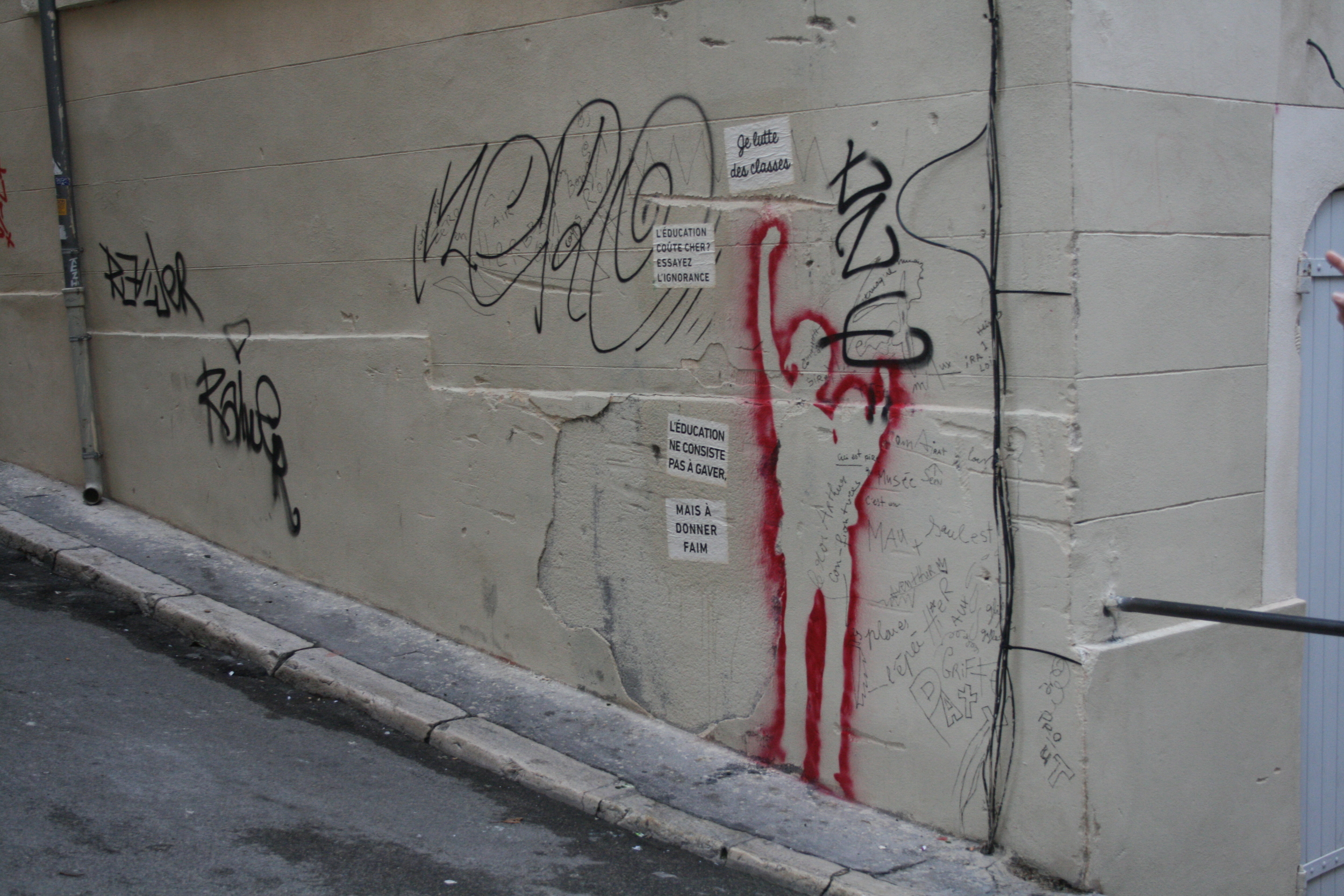
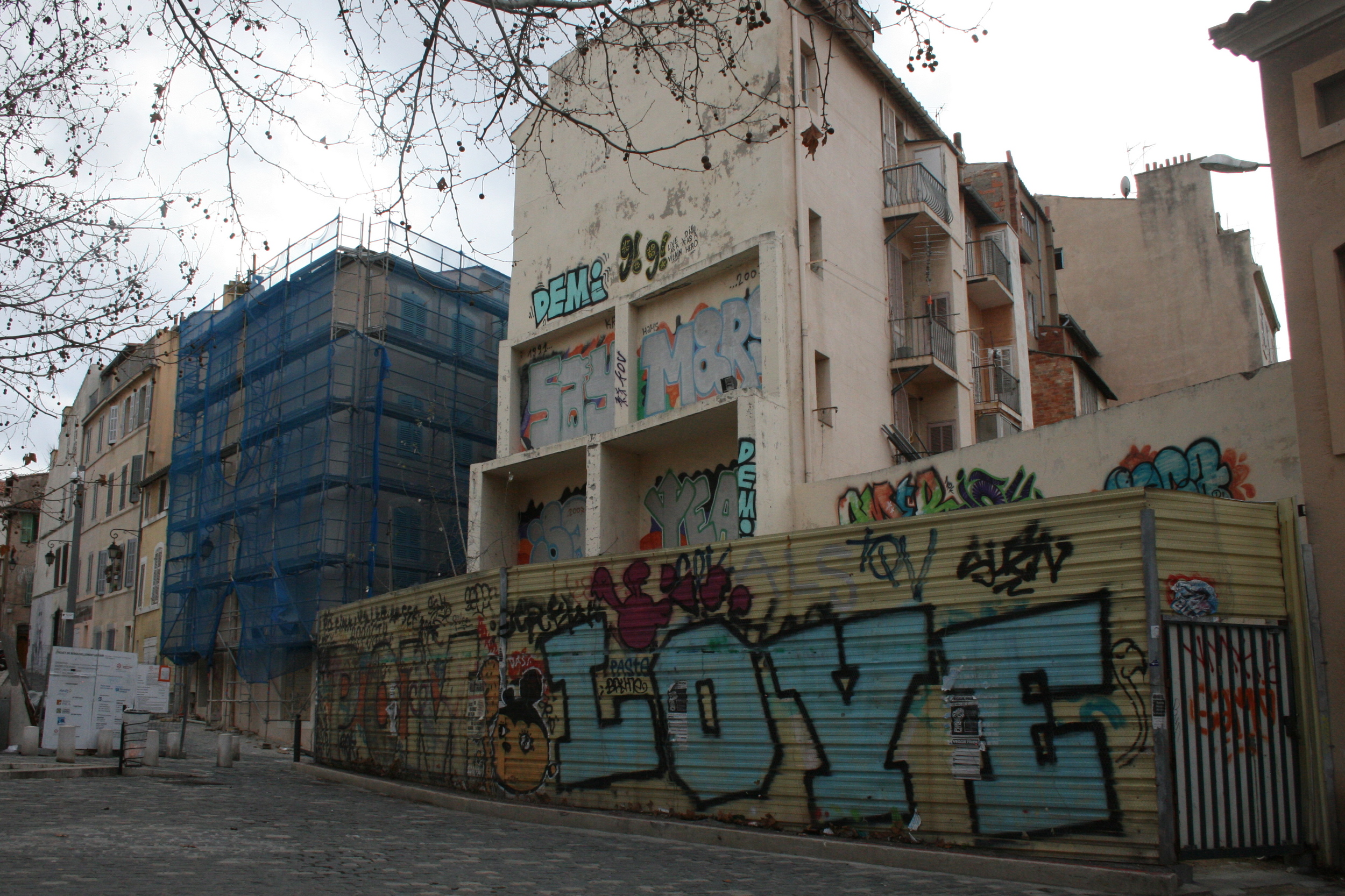
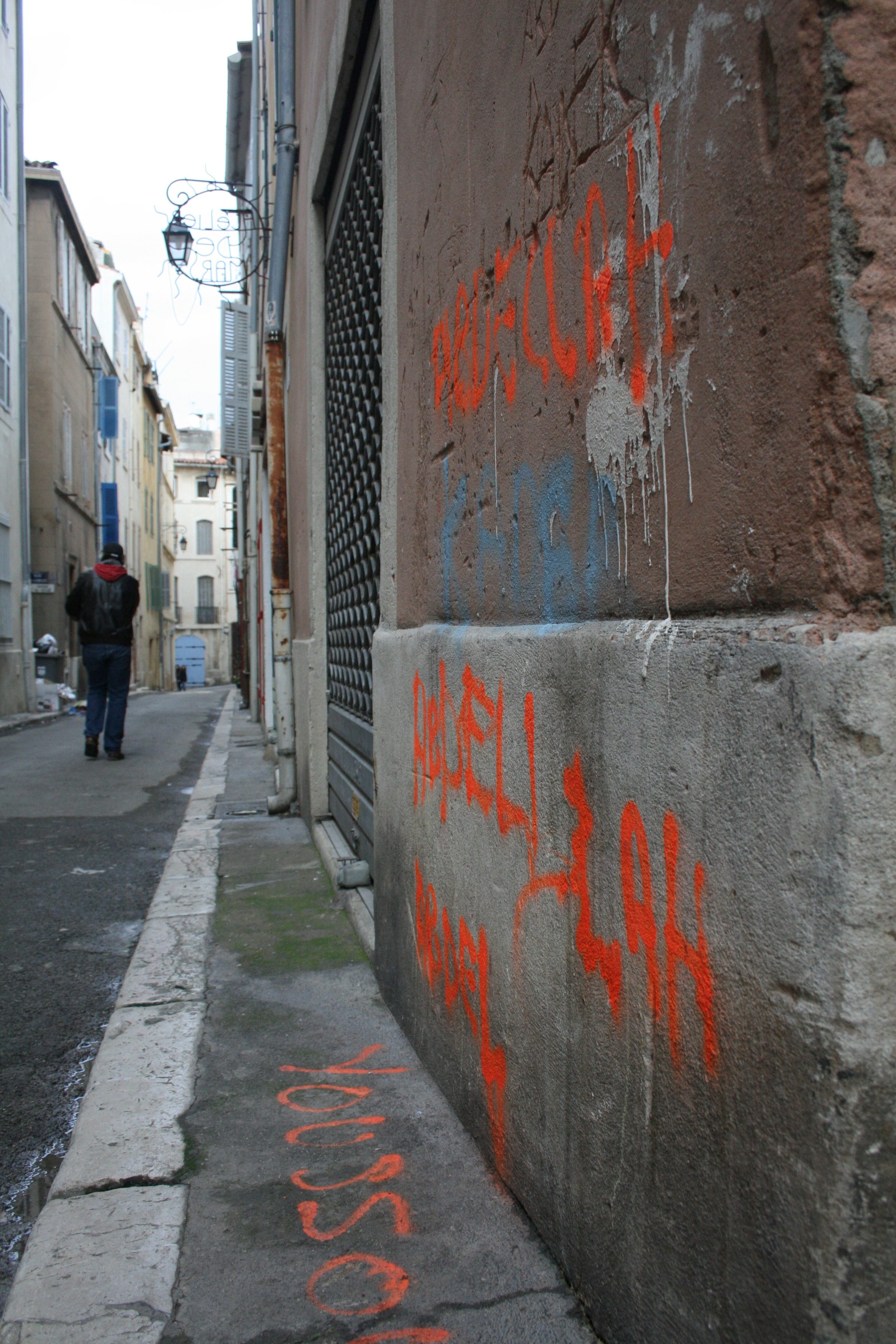
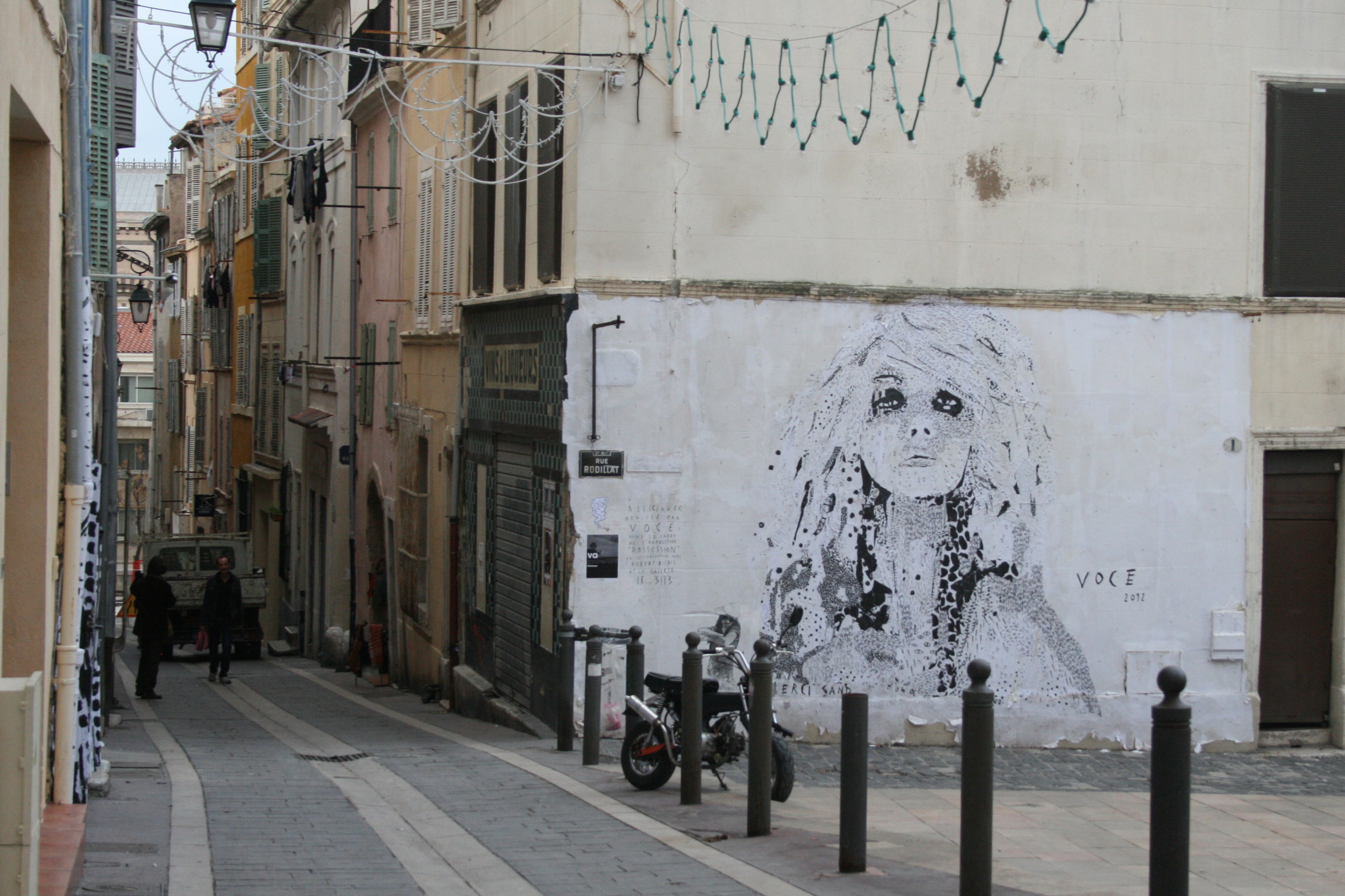
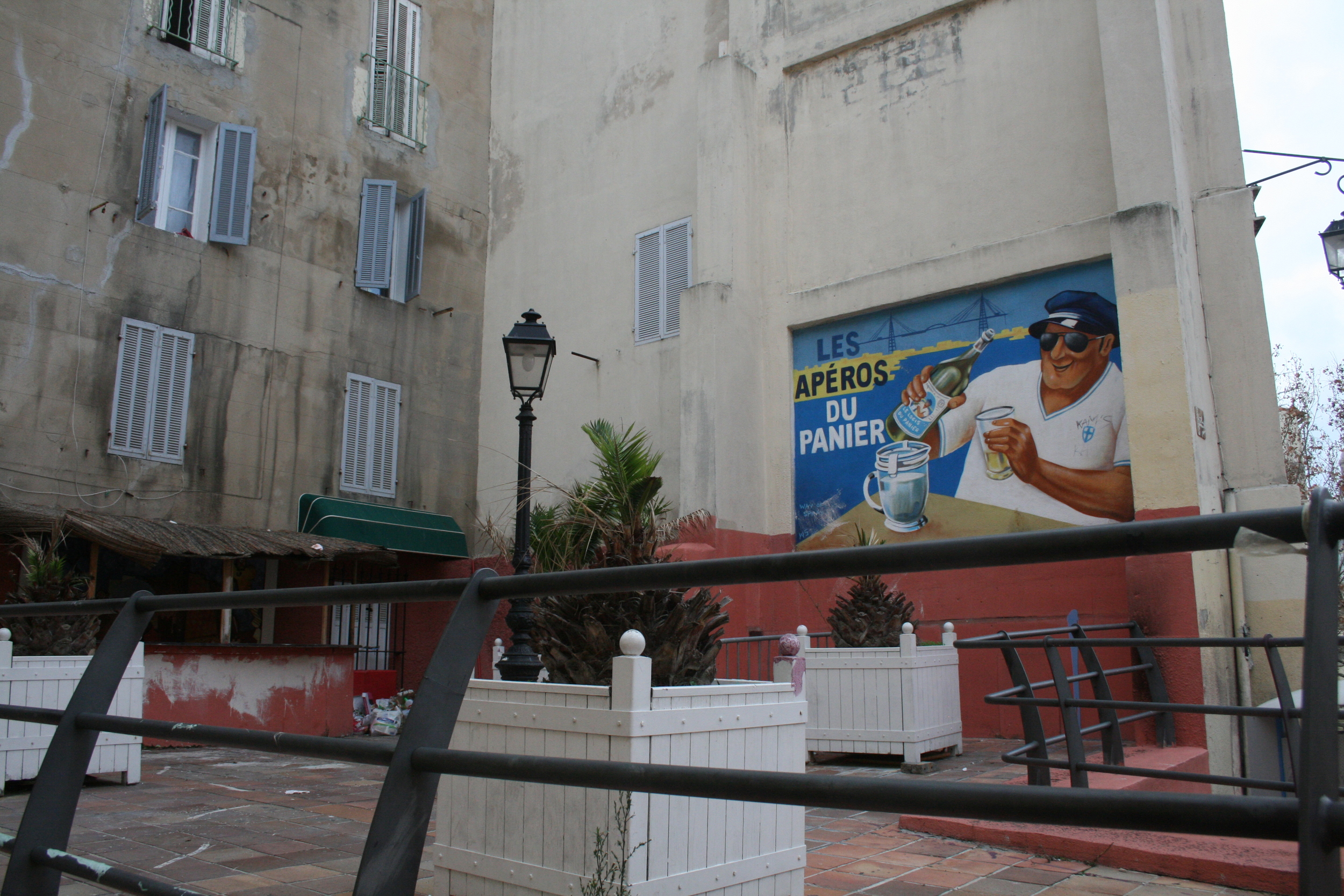
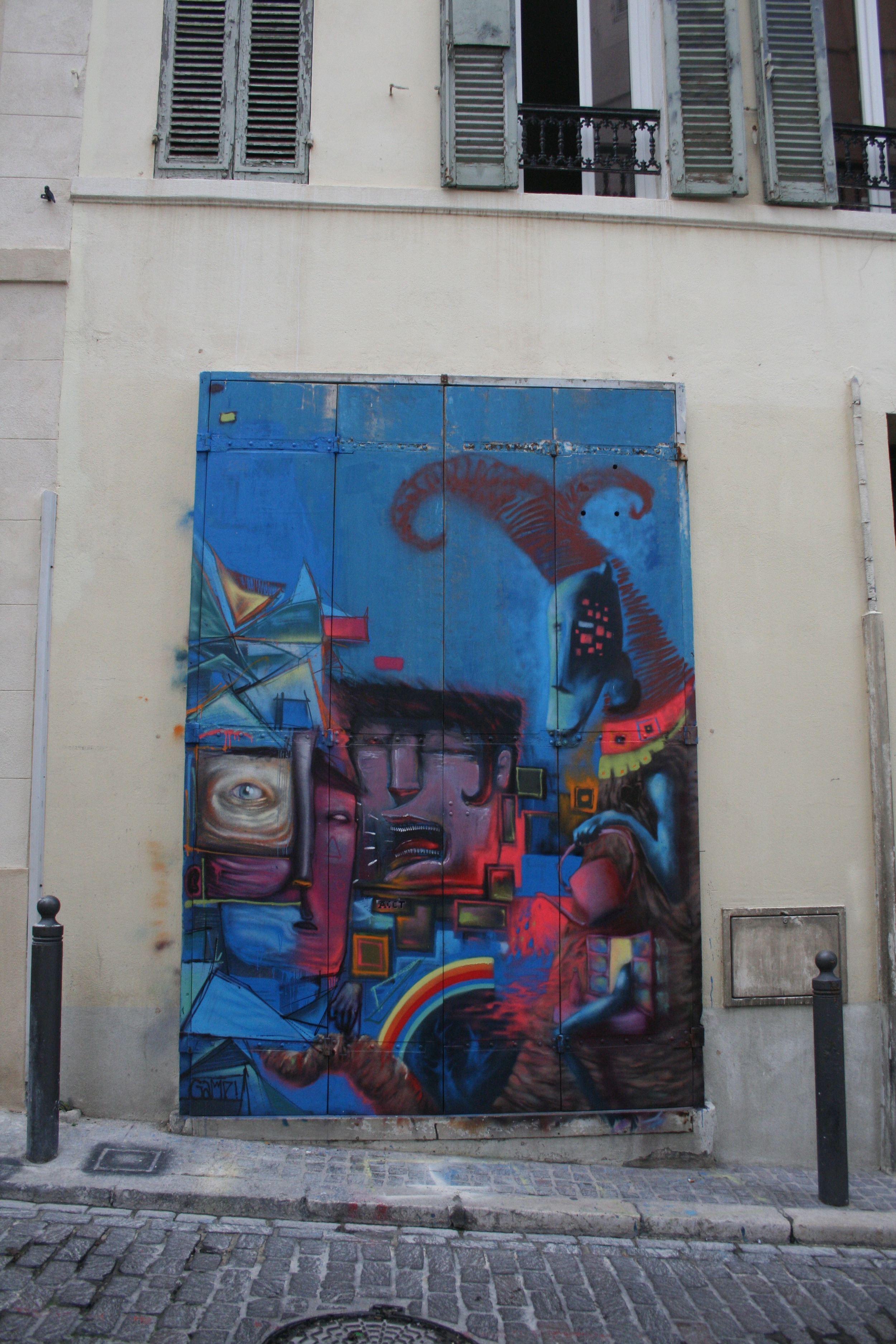
The historic area, near the Old Port, consisted of winding alleyways and pedestrian passages, meaning few cars but endless piles of dog poop. (Apparently not cleaning up after your pets is a national phenomenon). It also seemed to be a hub of cultural renaissance (read: hipsterdom) judging from all the galleries and boutiques. But what struck me the most was the abundance of street art; quite a contrast against the classic architecture.

Cathedrale la Majore

Speaking of design, Marseille has a couple of truly spectacular churches constructed in the Byzantine style whose "striped" stone exterior is quite different from anything else I've ever seen in Europe. The Cathédrale de la Major (above), was closed on the day that we passed by, but by happy coincidence we caught the last part of Christmas mass at Notre-Dame de la Garde (below - from a distance, and up close after a rather harrowing bus ride).

IMG_8834
IMG_8843

We attempted to visit Château d'If, the Azkaban Alcatraz of Marseille (not to mention an inspiration for Alexandre Dumas' The Count of Monte Cristo), but the weather conditions didn't allow it. We weren't the only ones disappointed; as we stood around the dock regrouping, another tourist approached and vocally expressed his displeasure at the sign saying all boats to the island were canceled.

Below: some street art and graffiti from around old town. More of Marseille on Flickr and, next time, what we did instead of visiting the prison.

IMG_8817.JPG
IMG_8791.JPG
IMG_8782.jpg
IMG_8784.JPG
IMG_8787.JPG
IMG_8810.jpg
IMG_8817.JPG IMG_8791.JPG IMG_8782.jpg IMG_8784.JPG IMG_8787.JPG IMG_8810.jpg

PS - Happy New Year!

PostedJanuary 1, 2013
AuthorMisa Shikuma
Categoriestravel diary, france
A typical French market in Menton. You would never see this in Monaco, partly because it's not part of France, but also its residents probably have their food imported and directly delivered to their homes.

A typical French market in Menton. You would never see this in Monaco, partly because it's not part of France, but also its residents probably have their food imported and directly delivered to their homes.

From Menton to Monaco

Our last full day in Nice began with taking the #100 bus* to the end of the line, which Rick Steves, travel expert for the liberal and vehemently non-mainstream American tourist, led us to believe was a small town bordering on village. I believe the exact words used in his guide to Provence and the French Riviera were "a poor man's Nice," but to me it seemed pretty much the same as the rest of the Côte d'Azur except closer to Italy. (I know this because of all the road signs pointing to Italie). Sure, some of the buildings in Menton were a bit more rundown than in Cannes, but it still had a decent beach and boardwalk - and the sidewalks were even adorned with citrus trees bearing fruit in the middle of winter! (Basically, anything bordering the Mediterranean feels like paradise when you're accustomed to dreary gray skies and the perpetually murky Seine).

But once it became clear that Menton couldn't conceivably be covered in 20 minutes, as we originally thought it would, we hopped back on the bus toward Monaco. Everything I "knew" and anticipated about the principality came from movies; most notably To Catch a Thief  and Casino Royale. So did it live up to my lofty expectations? Yeah, pretty much.

IMG_8695
IMG_8703

Monaco is essentially a cluster of high-rises centered around two nearly adjacent harbors that are separated by the Prince's palace that perches between them atop a cliff. Streets are filled with banks and haute couture (pretty sure I just misused this term; but this is not a fashion blog so whatever) designer boutiques, but what else would you expect from a principality that has no income tax and whose economy was saved in the late 19th century by the opening of the infamous Monte Carlo casino?

IMG_8725

Like most tourists we took photos out in front, whilst trying not to get run over by the endless stream of luxury vehicles and vintage cars vying for a prime parking spot. After heeding the sign just inside the main doors - no shorts for summertime visitors and absolutely no cameras, ever, which is too bad because the interior is stunning - we entered the casino. Normally each room has a different entry fee as per a tiered system that includes free-to-play slot machines near the lobby and progressing upward to private game rooms costing 20€ at the door. Luckily on the day we went these rules weren't enforced.

Roulette looked too complicated so Kiyoshi and I opted for blackjack. We felt a little lame buying in at just over the minimum 10€, when moments earlier an older fellow at our table dropped 3 crisp 500€ notes for more chips. (Side note: before that I was unaware that 500€ notes existed). A Spanish girl left the game just before we sat down after losing her money in the first round.

"Oh well, at least now I've played blackjack at Monte Carlo," she said to her friends.

I smiled, not only because I remember enough Spanish to have understood her, but also because that was my exact mentality. I may not be as high-rolling as the owner of the Ferrari parked outside, but at least my brother and I didn't lose any money.

It's really a shame that photography is forbidden within the casino; I think something along these lines would have made a most excellent addition to our family holiday card.

*Public buses are a mere 1€ per one-way trip, so don't bother with the train unless you're absolutely pressed for time.

See more of Monaco here.

PostedDecember 29, 2012
AuthorMisa Shikuma
Categoriestravel diary, france
Tagsmoney
Villa Ephrussi de Rothschild

Villa Ephrussi de Rothschild

Cap Ferrat: Gated Community of the Côte d'Azur

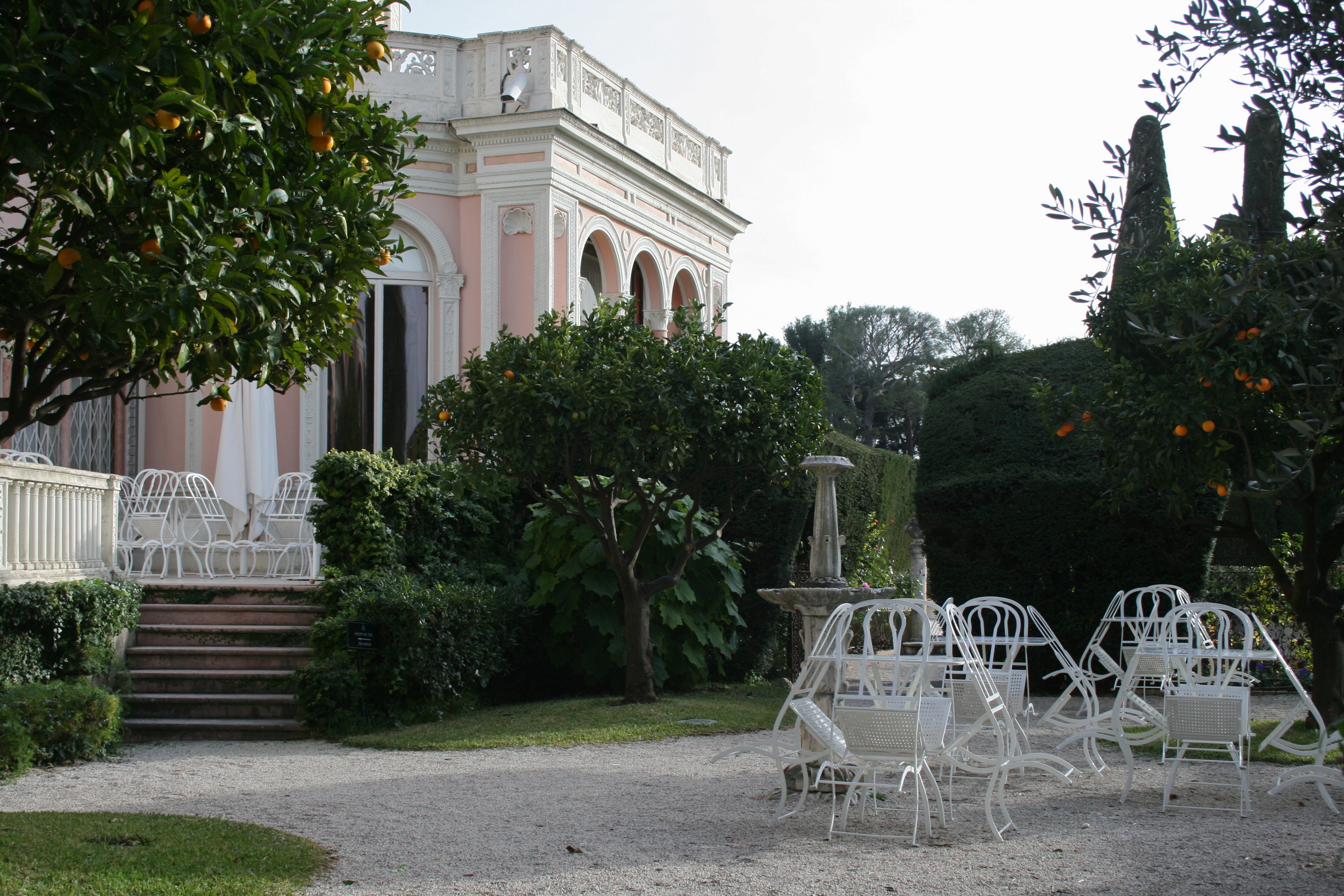
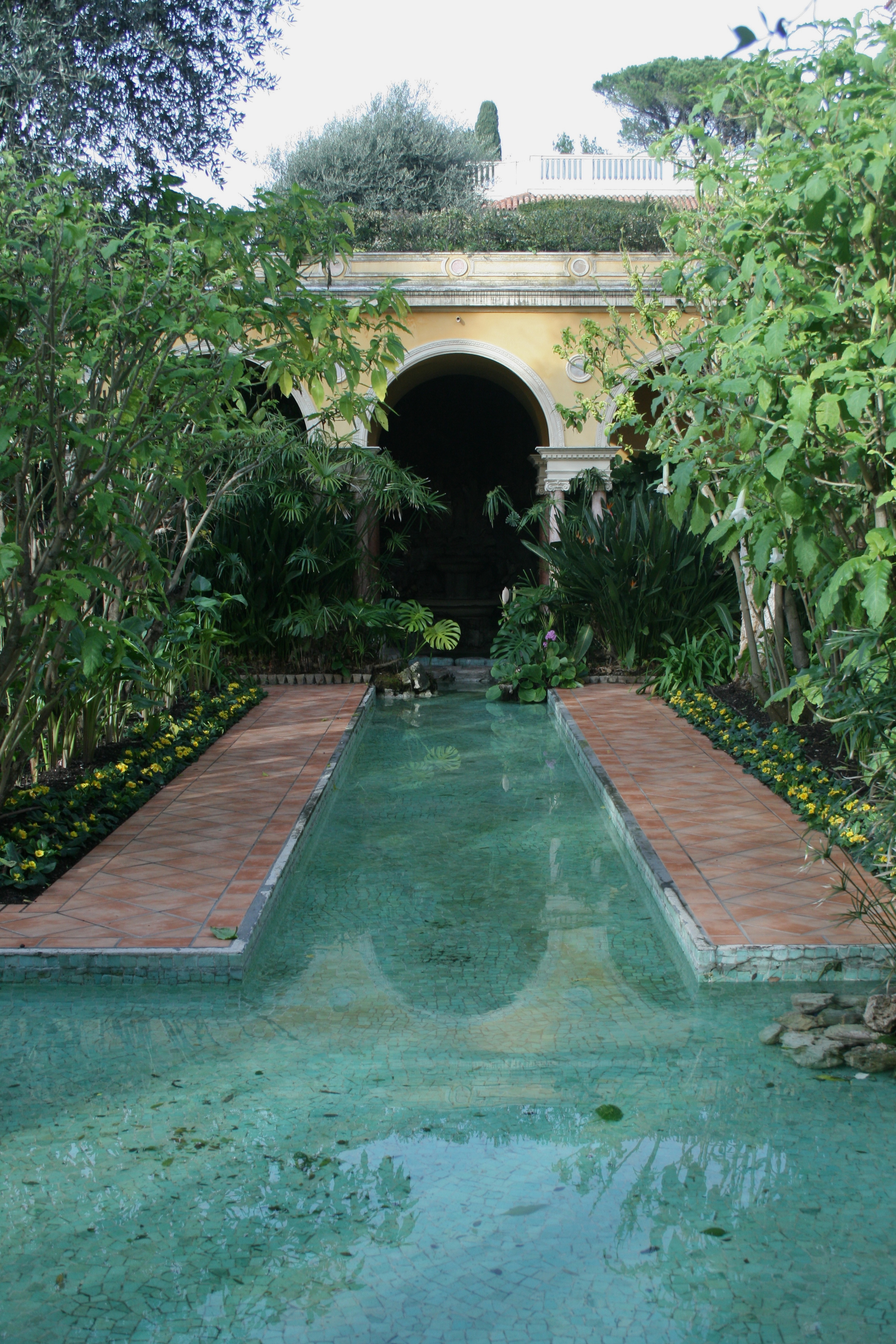
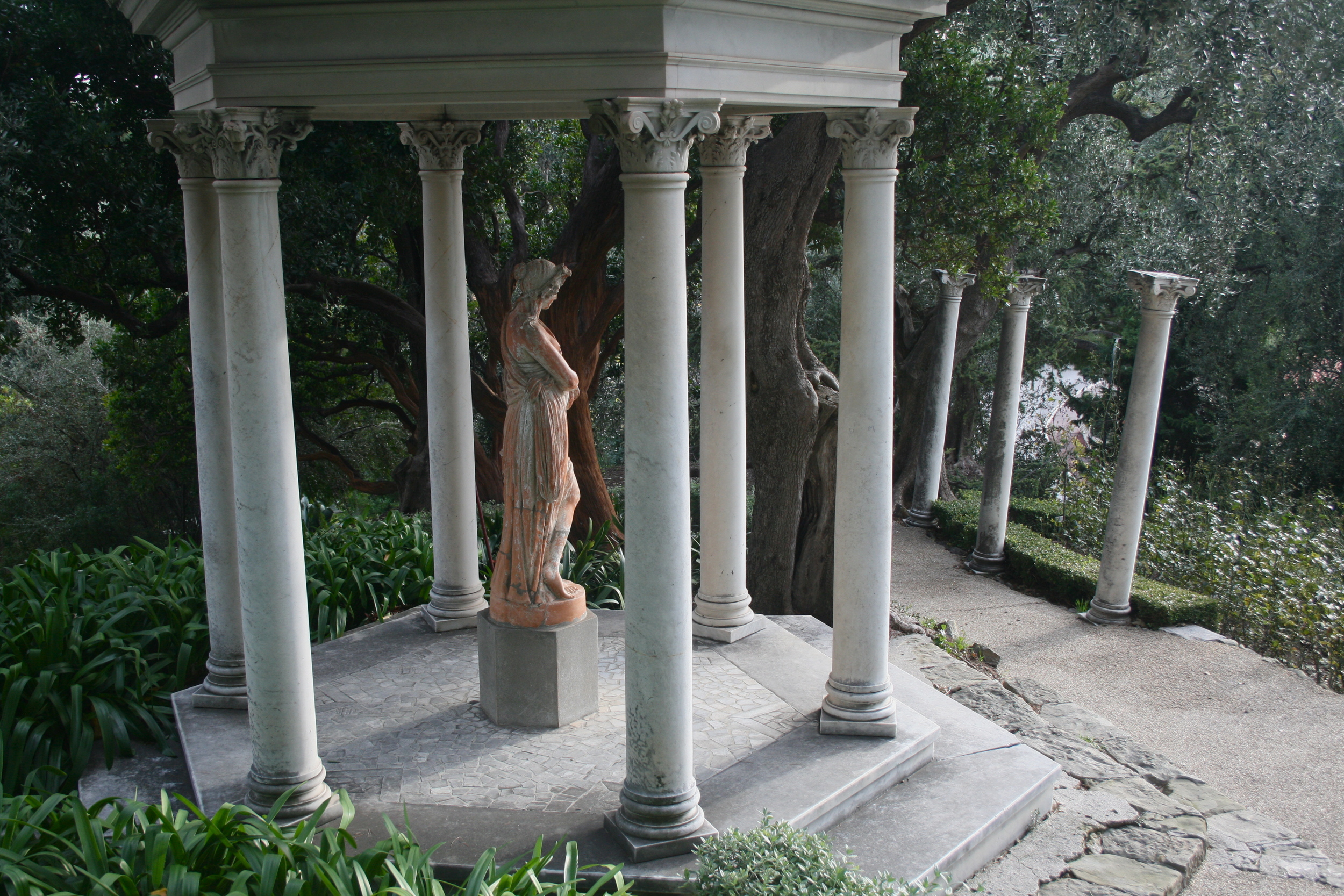
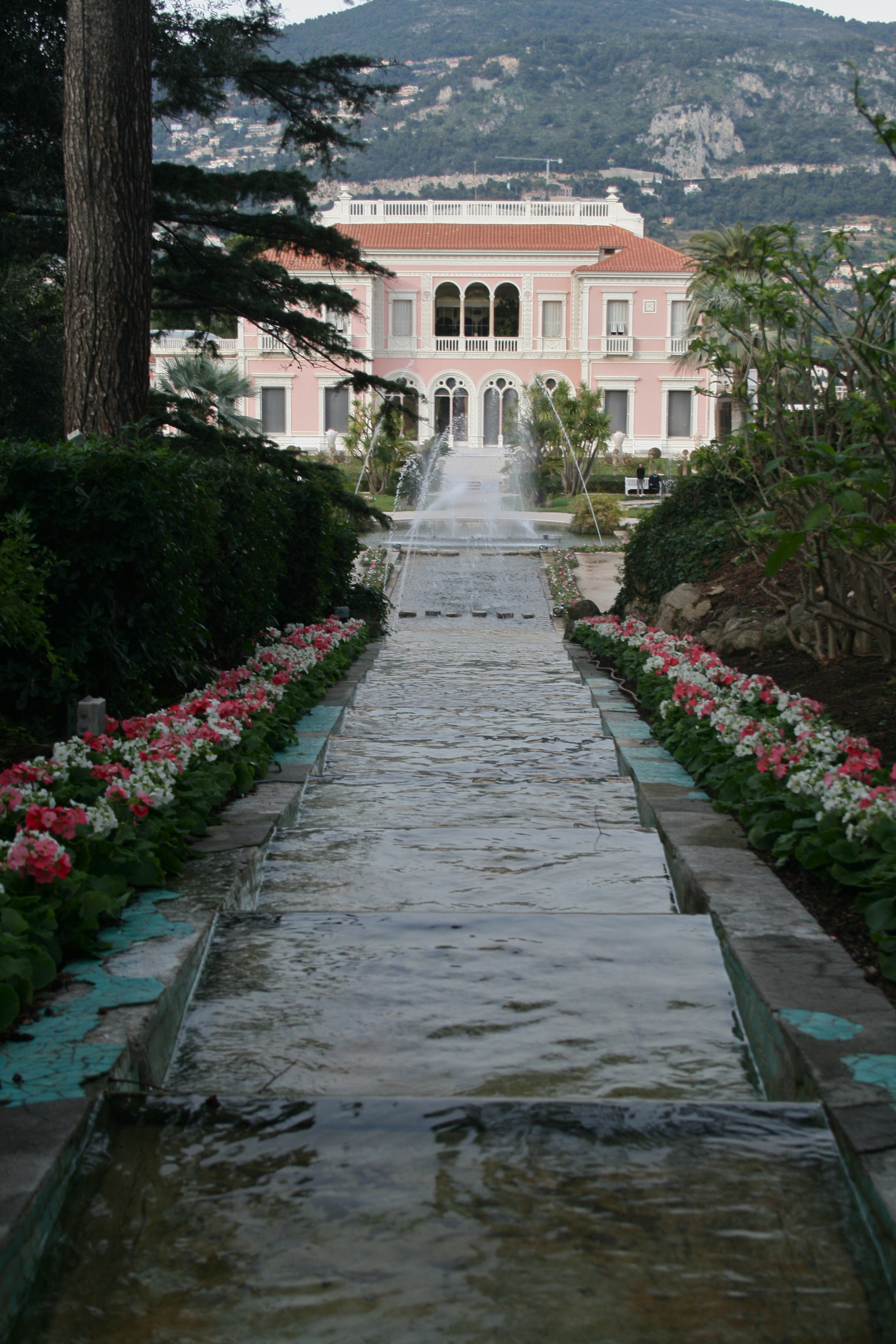
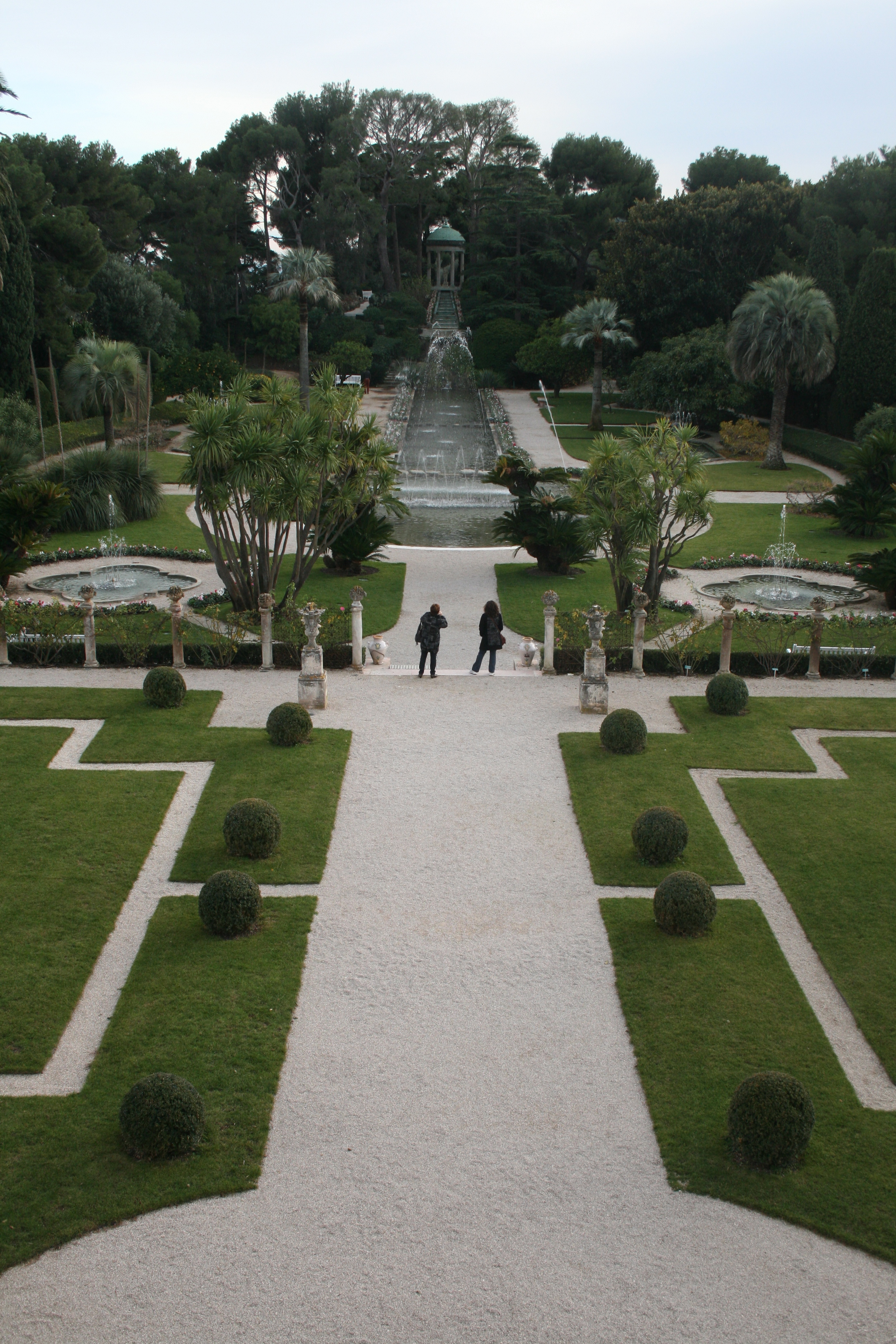
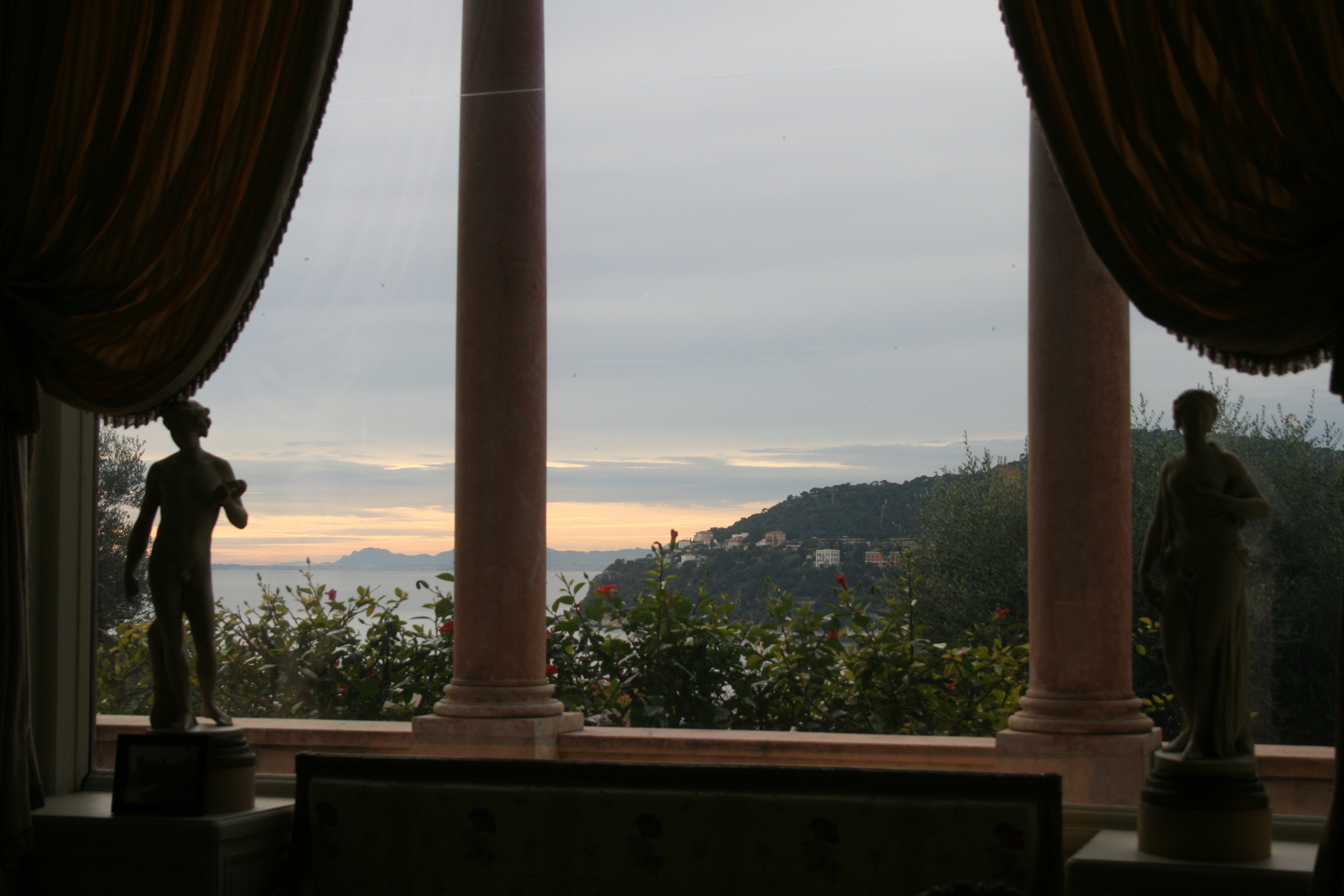
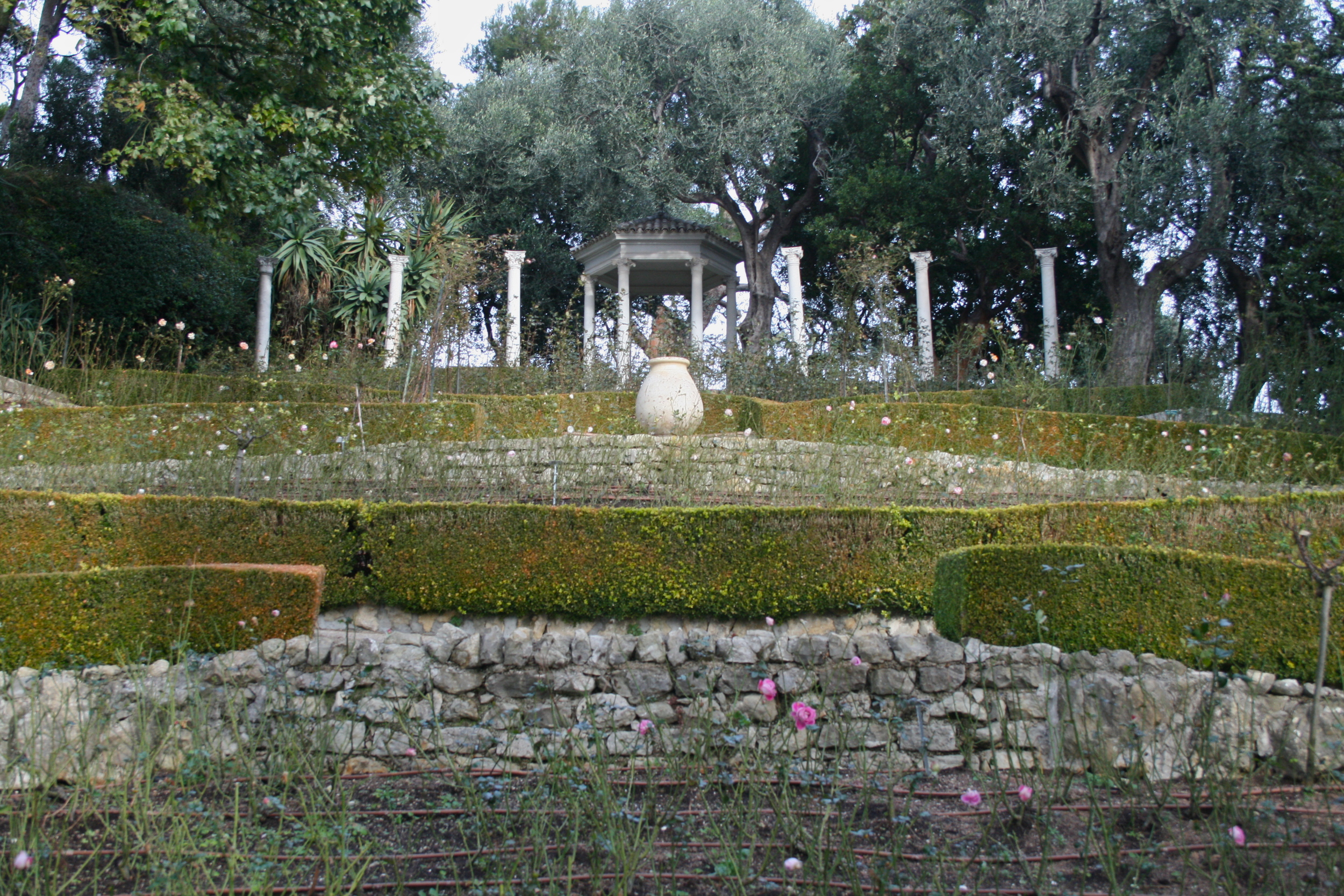
This peninsula just on the opposite side of the harbor from Villefranche-sur-Mer boasts some of the most gorgeous real estate...ever. Few buildings are accessible to the public, but for about the same price as admission to a museum you can enter the early 20th century Villa Ephrussi de Rothschild. The salmon pink Romanesque mansion is breathtaking, but the nine unique gardens that comprise the villa's grounds are what make the visit worth it. Paul Allen owns the adjacent property; unfortunately you can't visit but I bet it's pretty nice too.

Sèvres Garden
Sèvres Garden
Spanish Garden
Spanish Garden
Rose Garden
Rose Garden
Rose Garden
Rose Garden
South Façade
South Façade
French Garden
French Garden
The Small Salon(?)
The Small Salon(?)
Sèvres Garden Spanish Garden Rose Garden Rose Garden South Façade French Garden The Small Salon(?)
PostedDecember 27, 2012
AuthorMisa Shikuma
Categoriestravel diary, france
The harbor as seen from the Citadel.

The harbor as seen from the Citadel.

Villefranche-sur-Mer: Ghost Town by the Sea

A short bus ride east of Nice sits the sleepy, picturesque Villefranche-sur-Mer. I imagine the resort town is bustling during the hot Mediterranean summer but in December, when many businesses are closed until spring, it's hard to imagine crowds filling the boardwalk and alleyways. 

IMG_8484

The old Citadel serves serves as another reminder of southern France's rich history (which, incidentally, is over three times as long as the United States' lifetime as a nation). From the outside it looks like a fortress from an Alexandre Dumas' novel; from inside the outer walls it more resembles a Napa Valley vineyard. We didn't go into the museum part, but took in views of the harbor and peninsula as well as got a closer look at the pack of middle-aged tandem bicycle riders that had passed us by earlier. 

IMG_8517

We had lunch at a restaurant in the historic center near the water, but pickings were slim due to aforementioned seasonal closures. As a non-boating specialist I would say there isn't much to do in town apart from basking in the sun (which is surprisingly strong even in winter; I was sweating in my cashmere sweater), but that is the point of a resort, is it not? To forget about the urban problems of everyday life and enjoy the beauty of the present.
PostedDecember 26, 2012
AuthorMisa Shikuma
Categoriestravel diary, france
Newer / Older

​2012 - 2023 Misa Shikuma, all rights reserved.

Subscribe via Email or RSS.​